Mbeya, Tanzania /0742 066 147 | 0753 301 437 / info@automacetz.com
Fuel systems · Fiscal devices · Tracking · Security · IT
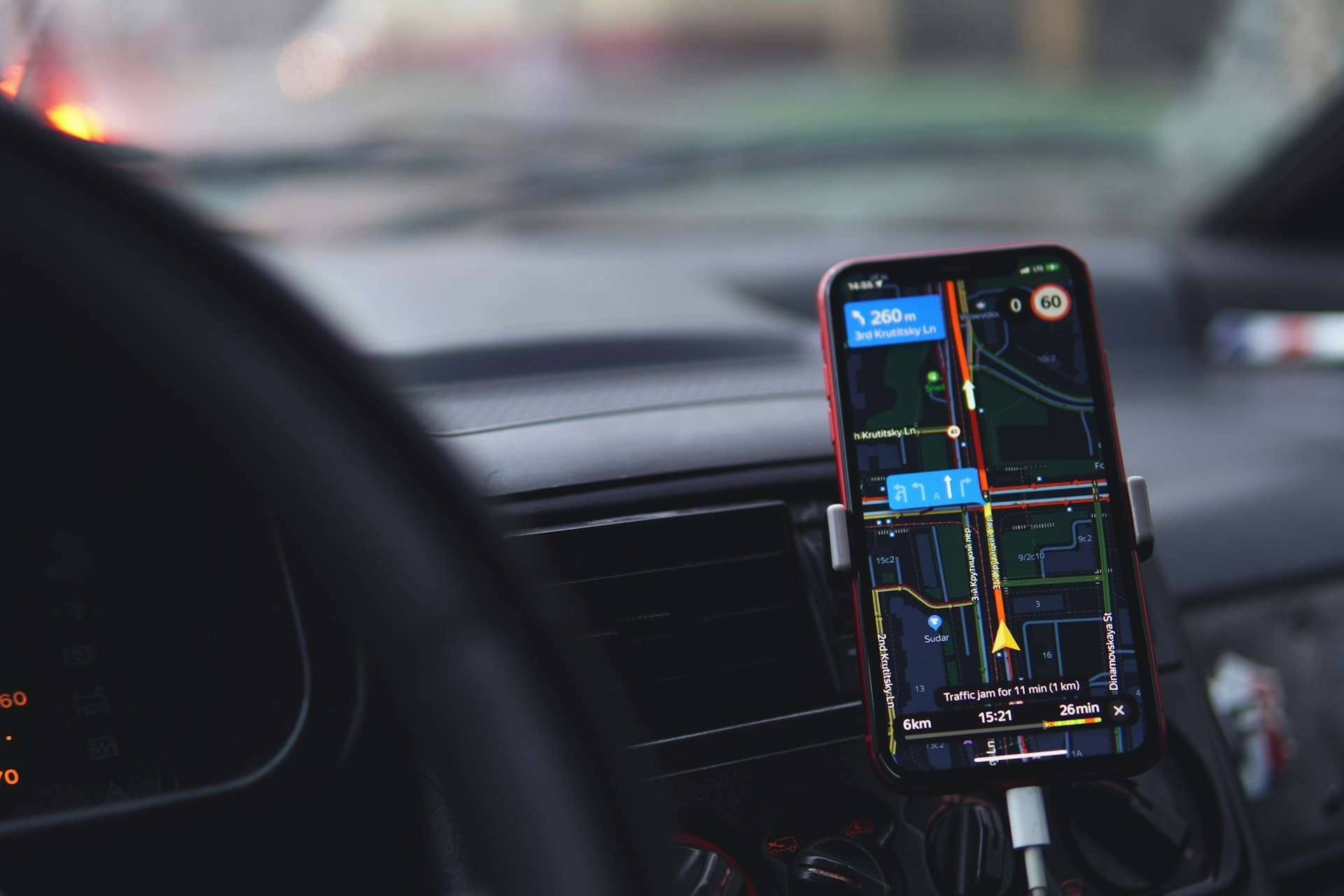
GPS tracking for vehicles, plant and high-value assets — live location, trip history, geofencing, fuel-draw alerts and driver behaviour, fitted by our own technicians and reported in a way your operations team will actually open. Every unit is fitted, sealed and tested on site, and the reports are set up with your dispatcher before we hand over.
What the work focuses on
Live location – Position, speed and heading updated continuously, on a map anyone in the office can read without training.
Trip history – Every journey retained and replayable — route, stops, idle time and who was driving.
Geofencing – Draw the yard, the depot, the customer site. Get told when a vehicle enters, leaves, or arrives outside its window.
Fuel and behaviour – Fuel-level drops, harsh braking, speeding and long idles, flagged as they happen rather than found at month end.
What we fit
Three levels of fit, matched to what the vehicle is worth and what you actually need to know about it. Fitting the wrong one is the usual reason a tracking system quietly stops being used by month three.
Location, speed, ignition status and trip history. The standard fit for a light fleet where the question is simply where the vehicle is. Cheap enough to fit across the whole fleet at once, which is what makes the map worth opening.
Adds fuel-level sensing, door and PTO inputs and driver scoring — for trucks, tankers and plant where the journey matters as much as the destination. On long-haul work a single fuel event can cost more than the hardware did, which is usually what settles the argument about fitting it.
Battery-powered units for trailers, generators and plant with no permanent power, reporting on a schedule that trades detail for months of life. Sealed and hidden in the load, so a stolen trailer or generator keeps reporting long after it has left your yard.
Which do you need?
Answers theft, arrival-time disputes and customer questions. Pays for itself the first time a vehicle goes missing or a delivery is denied. Simple to run day to day: one map, one history, no weekly discipline required from anyone.

Fuel loss, driver behaviour, route cost. Real savings — but only for a fleet where somebody is going to read the reports every week. Budget for that person's time as well as the hardware, or it becomes a dashboard nobody opens.
We’d rather fit tracking well than sell telematics nobody opens. Tell us which one your team has time for.
Common question
Our drivers won’t like it. How do you handle that?
Openly, and before installation rather than after. The rollouts that stick are the ones where drivers are told what is measured, what it is used for and what it is not — and where the first month of reports is used to fix routes rather than to discipline people. We’ll help you write that briefing. It costs nothing and it is the best predictor of whether the system survives its first quarter.
How many vehicles, what type, and what you’re actually trying to find out. We’ll come back with a fitting schedule rather than a brochure.
What we do
There are no results matching your search
06 — Contact
How many stations, how many vehicles, how many tills. We’ll come back with a visit date rather than a brochure.
Mbeya, Tanzania
0742 066 147 | 0753 301 437
info@automacetz.com